Gallery of
California History
“Coming to California” is the Gallery of California History’s overarching theme, emphasizing the profound impact of the many people who have made this state their home. The story begins with Indigenous peoples and continues through to today with the increasing influx of people from all over the world. Trace the ways Californians have forged relationships with each other, the environment, and the world through 2,200 artifacts, works of art, photographs, and more.
Highlights
WELCOME TO THE GALLERY OF CALIFORNIA HISTORY
Venture inside OMCA’s Gallery of California History with curator Dania Talley, and explore the stories of the diverse communities that have shaped California socially, economically, environmentally, and politically.
Our Gallery of California History unfolds as a timeline that begins before 1540 and continues through the present day. As you traverse the gallery, explore the intersections between the many waves of people who have come to California, and get to know the social, cultural, and political climates during different periods of migration. Whether you’re interested in culture, activism, migration, or technology, OMCA’s Gallery of California History is full of stories that connect the past to the present and invite you to see California in new ways.
The Gallery of California History is included in General Admission—get tickets today.

Learn about the genocide of Native peoples in the early era of California’s statehood and the impact it continues to have on contemporary California.
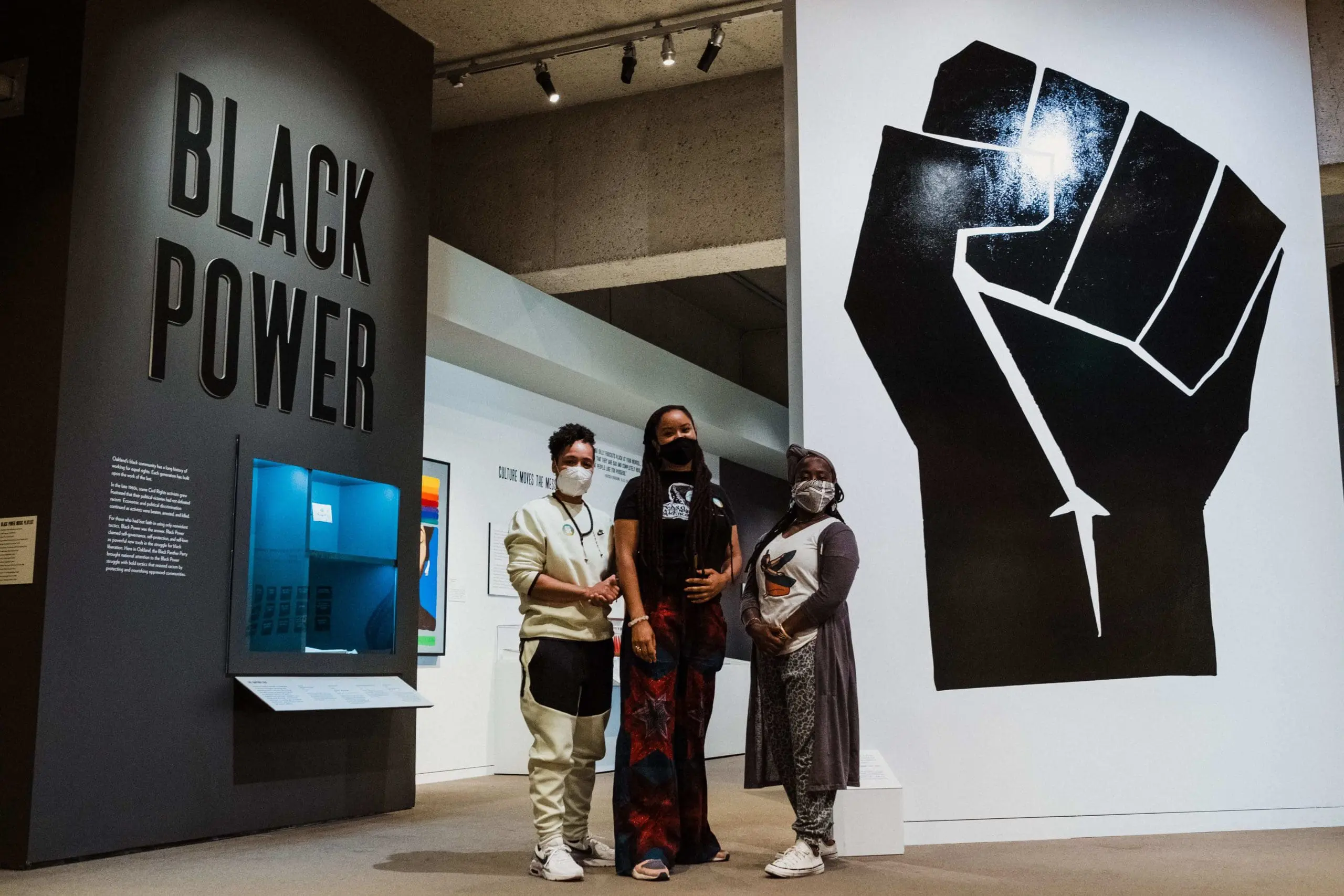
Uncover the history of the Black Power movements and explore the creative ways Black anti-racist activists in California supported their communities and challenged the U.S. government.
The Black Power fist is a symbol of pride and solidarity with oppressed peoples of the world. Oakland’s Black community has a long history of working for equal rights. Each generation has built upon the work of the last.
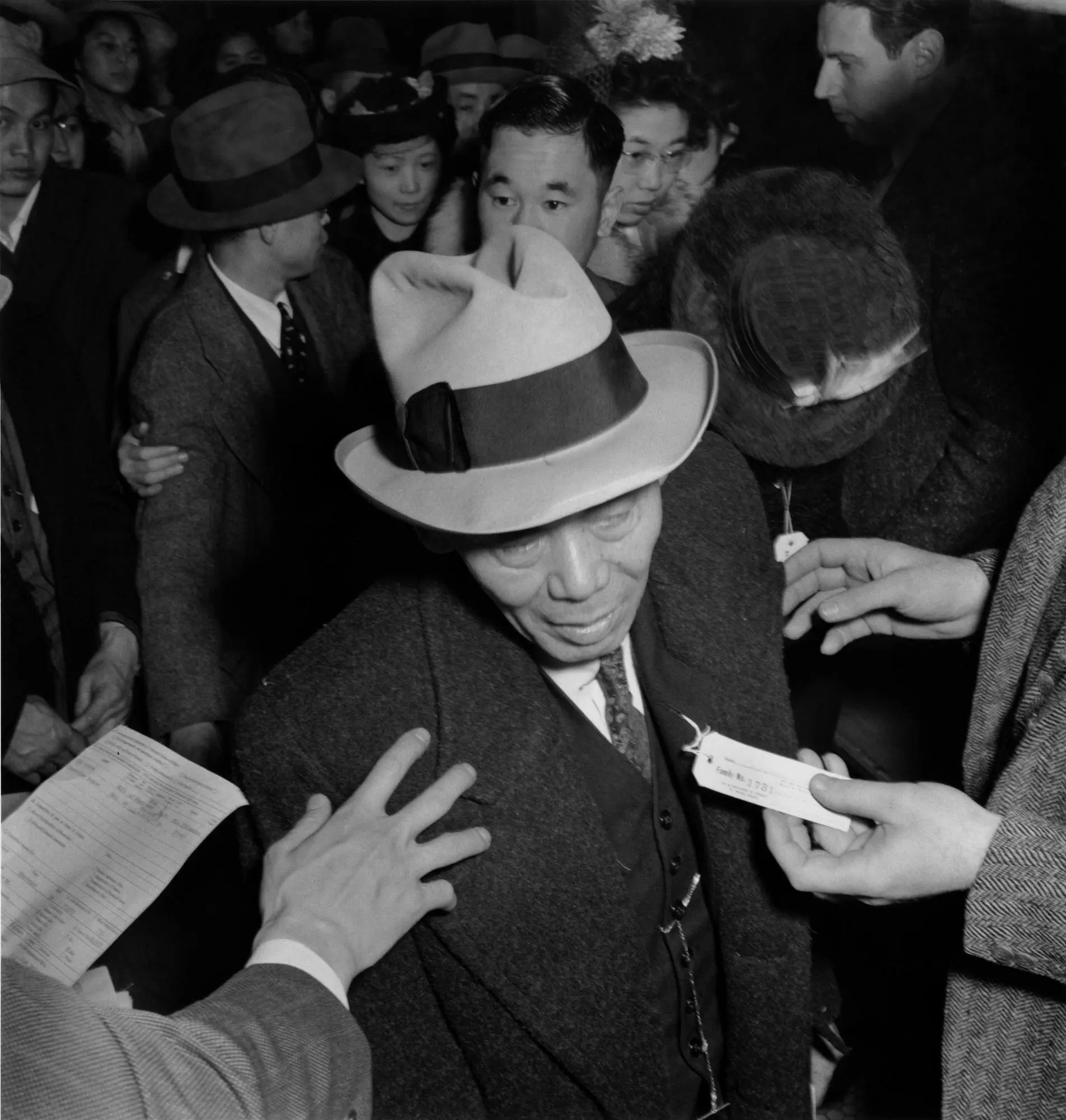
Come hear first hand accounts of Japanese Americans forcibly removed from their California homes and incarcerated during during WWII.
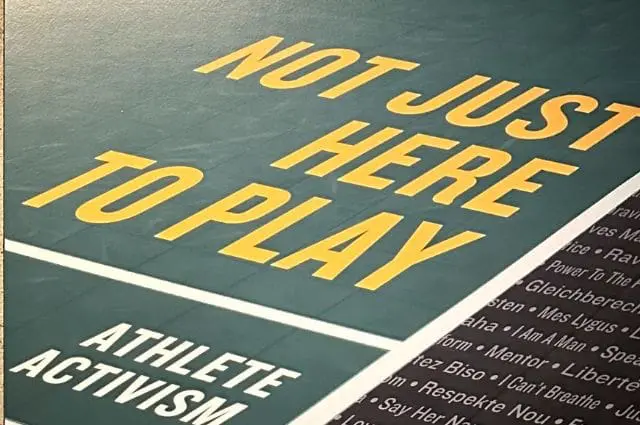
African American sports activism in the US dates back to the early twentieth century. Despite the repercussions they experience, athletes continue to use their voices and platform to express discontent about injustice and racism in our society. While some see sports as apolitical and encourage athletes to “shut up and play,” recent athletes have taken their activism to another level by developing resources for community members who are most impacted by racism and discrimination.
History is happening every day and we all help shape it. A 350-square-foot section of the Gallery of California History, History Now features timely, rotating installations emphasizing current events in an interactive space that invites visitor commentary and feedback through thought-provoking prompts and powerful historical objects from OMCA’s collection.
Explore seven different geographic regions of California as contemporary Native People describe the histories of their ancestors, their relationships to the land and each other, and the innovative practices that they crafted to live in each dynamic natural environment.
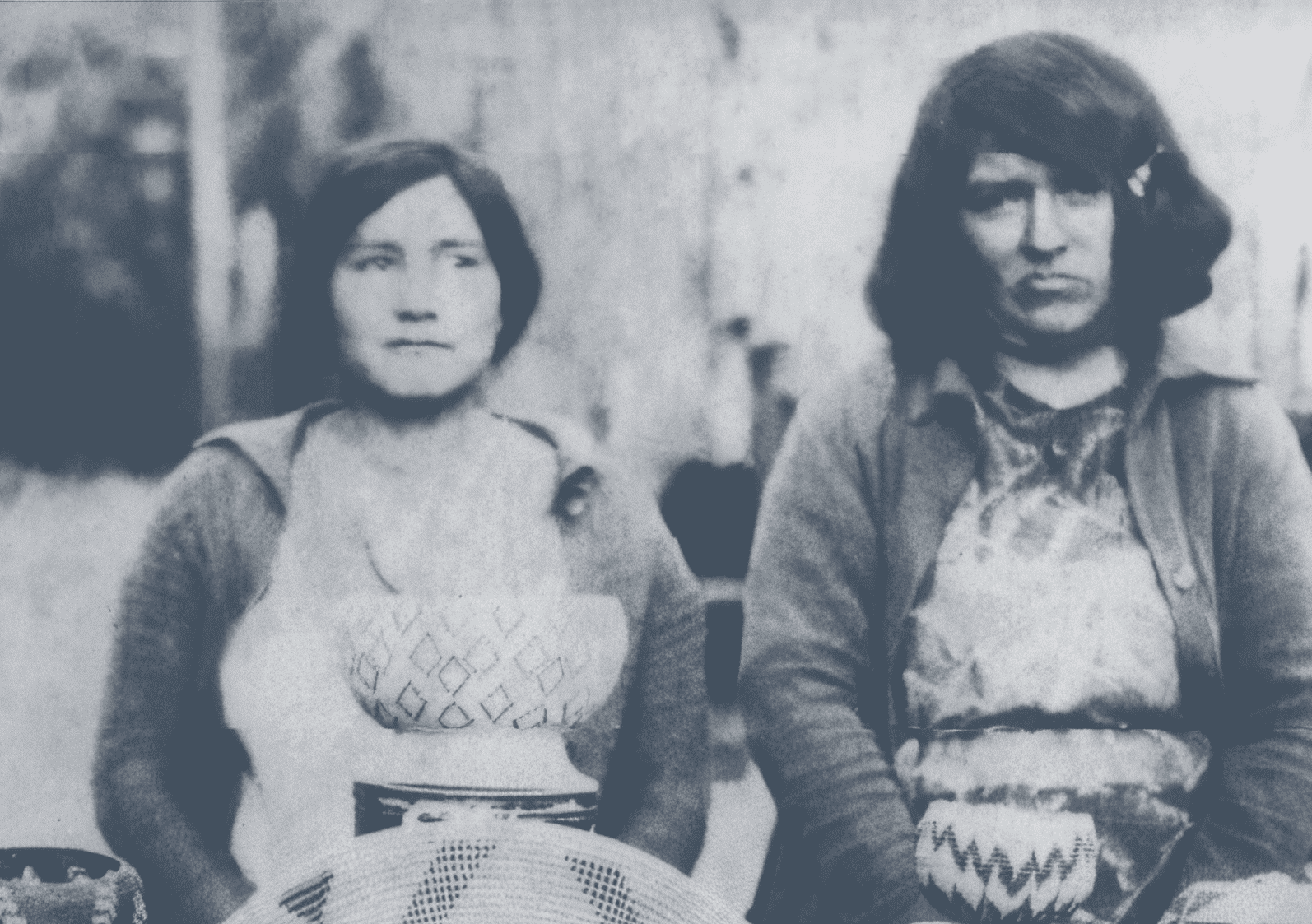
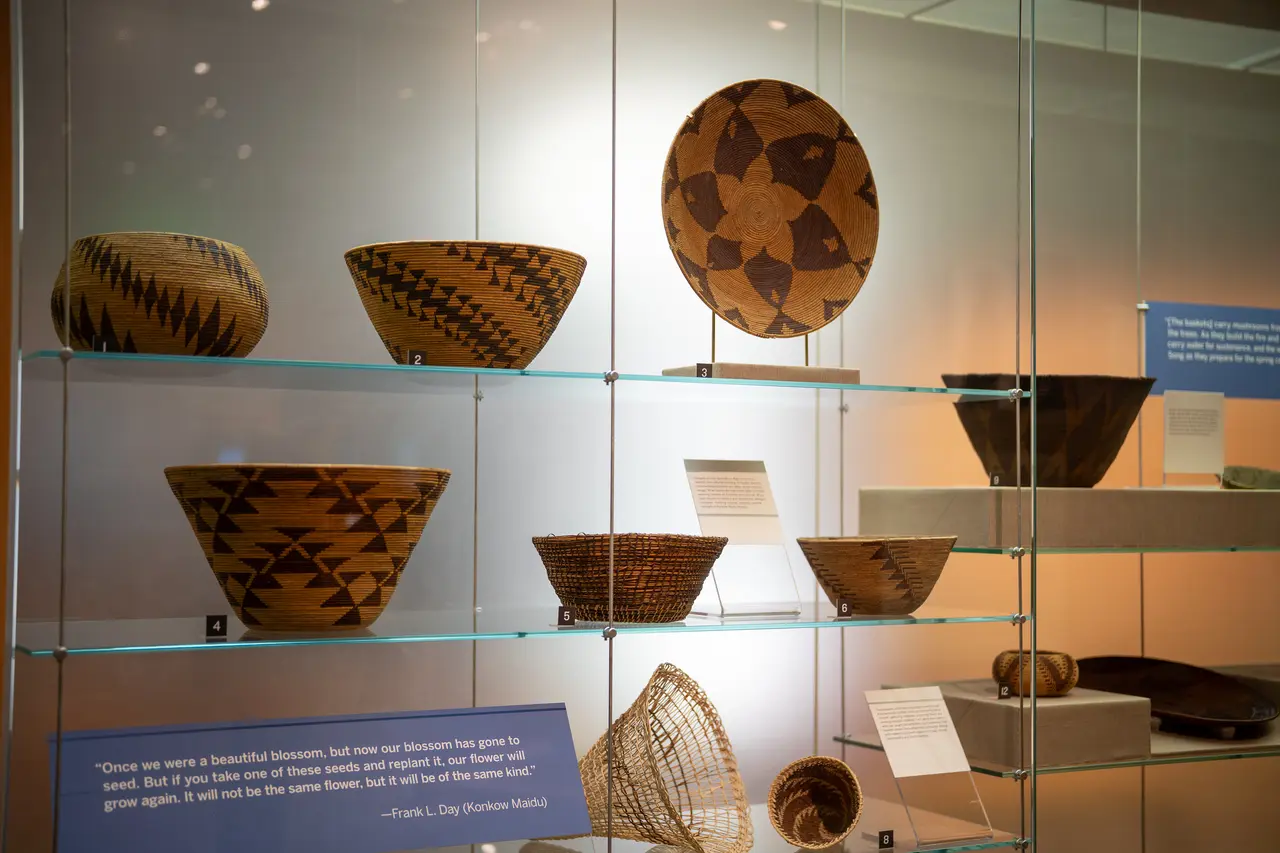
Learn about historic Konkow Maidu master weavers and their descendants carrying forward the living tradition of basketry from generation to generation. Originally in the Oakland Museum of California’s collection, the baskets from this display are part of a group of items repatriated to the Berry Creek Rancheria of Maidu Indians of California in 2024.
The baskets on view represent an intergenerational exchange of knowledge that is essential to Konkow Maidu daily life, food systems, ceremony, and survival. Visitors will encounter Native voices directly through text from members of the Berry Creek Rancheria of Maidu Indians of California.
*Image credit: Lena Martin and Cordelia Johnson. Courtesy of Berry Creek Rancheria of Maidu Indians of California
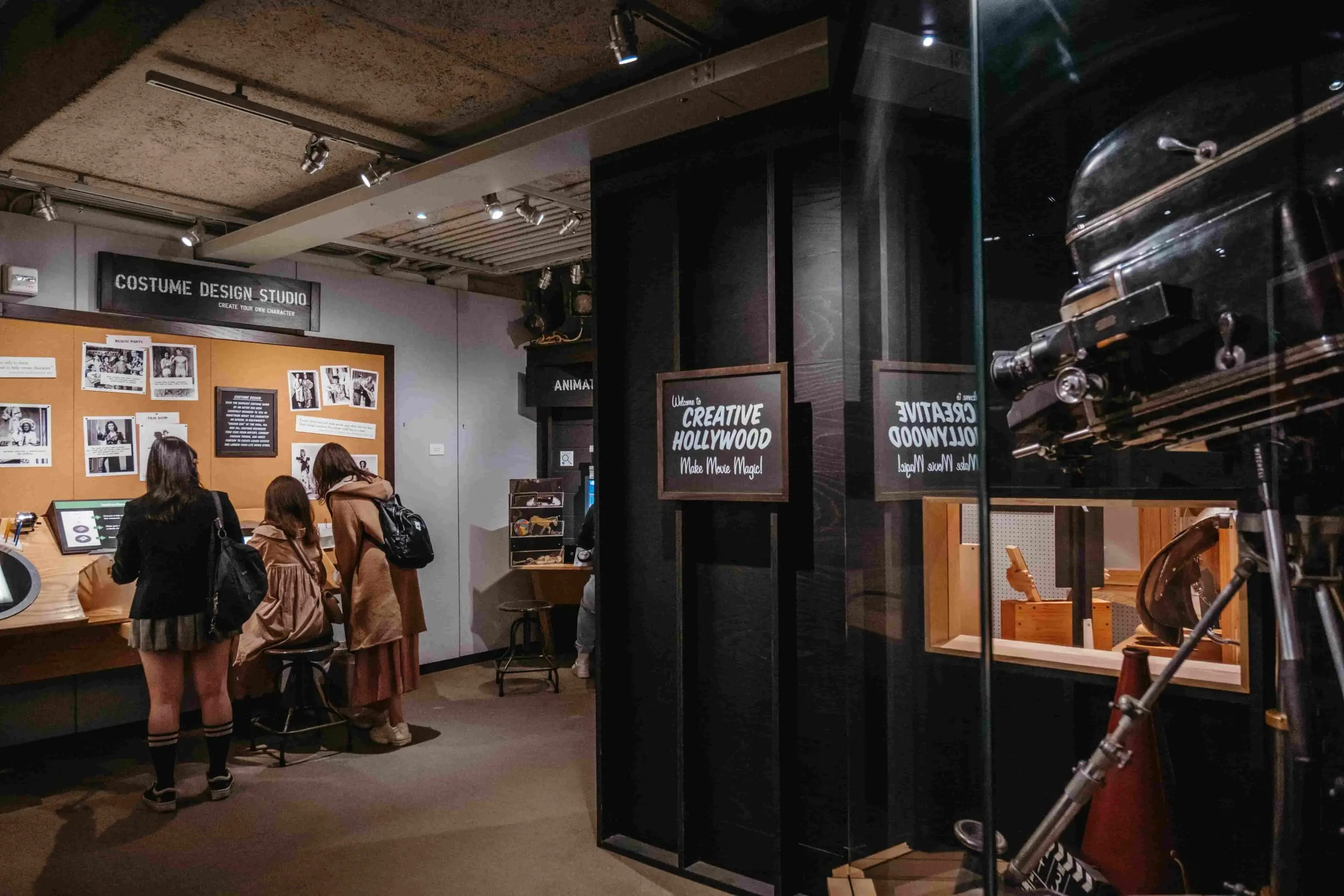
Visit the “Hollywood” section of the gallery to design costumes, make your own animated cartoon, and create film sound effects in the “Foley” Studio. At the top of every hour, catch The Aqueduct Between Us in the History Gallery Theater. This documentary is directed by Annie Mendoza-Olivares (Tongva), with cinematography by Isaiah Mendoza (Tongva).
The Aqueduct Between Us describes how Los Angeles gets its water and at what cost to Native communities. Tongva and Owens Valley Paiute (Nüümü) tribal members describe how the City’s aqueduct displaced them, diverts waterways, and harms ecosystems. They seek protection for their ancestral waters and accountability from the City of Los Angeles.
Image Credit: The Aqueduct Between Us poster. Courtesy of Annie Mendoza-Olivares
In January 2024, NAGPRA regulations were revised to require consultation with and consent from affiliated Tribes before organizations can display human remains, funerary objects, sacred objects, and objects of cultural patrimony. As part of our long-standing and ongoing partnership, OMCA’s administration and our Native Advisory Council have reviewed the objects from Native American cultures that are on view in the galleries. These everyday items help to tell the important story of Native California life and history, and have been determined as permissible to share with the public. OMCA is committed to our continued collaboration with and work for Native communities, and will respect requests for display changes.