Standing Together: Museums, History, and the Power of America’s Stories at 250
Last week, congressional hearings examining the work of the Smithsonian’s National Museum of American History brought renewed national attention to a question that reaches far beyond Washington: What role should museums play in telling the story of our nation?
The hearings follow a July 4 White House report criticizing the Smithsonian Institution and questioning the work of museum professionals. Together, these actions have brought national attention to the role museums play in shaping public understanding of history.
Although the debate has centered on the Smithsonian, the questions it raises reach museums across the country. They invite a broader conversation about scholarly independence, public trust, and the role of cultural institutions in a democratic society.
As the United States marks its 250th anniversary, museums across the country are reflecting on how we understand our shared history and whose experiences are represented within it. At OMCA, we believe California’s stories are strongest when they embrace complexity—bringing forward both celebrated histories and undertold stories, while acknowledging the injustices and struggles that continue to shape our communities.
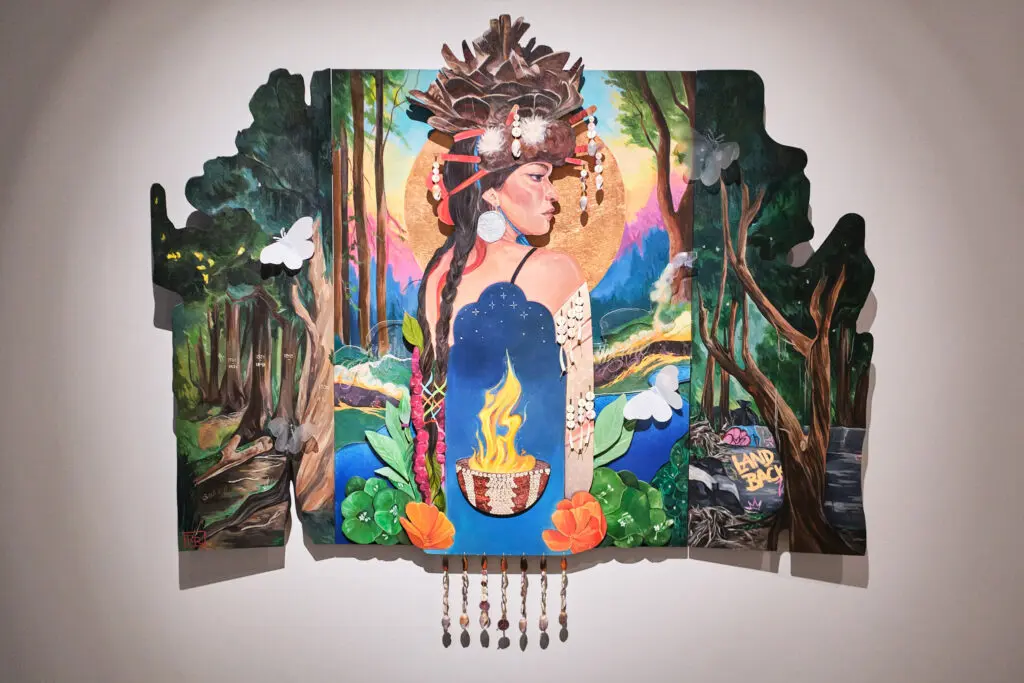
Installation view of Renée Leann Castro-Ring’ s (Lisjan Band of the Ohlone Tribe) Rinihmu Pulte’irekne, 2025, Good Fire: Tending Native Lands, November 7, 2025–May 31, 2026, Oakland Museum of California. Photo by Kiki King, courtesy Oakland Museum of California.
Earlier this year, Executive Director and CEO Lori Fogarty explored these ideas in her San Francisco Chronicle op-ed on California’s role in America’s 250th anniversary. She insists that museums have a responsibility to tell layered histories that deepen, rather than diminish, our understanding of the past. These ideas are expanded on in our recent blog, California at 250: Why Complexity Matters in Public History.
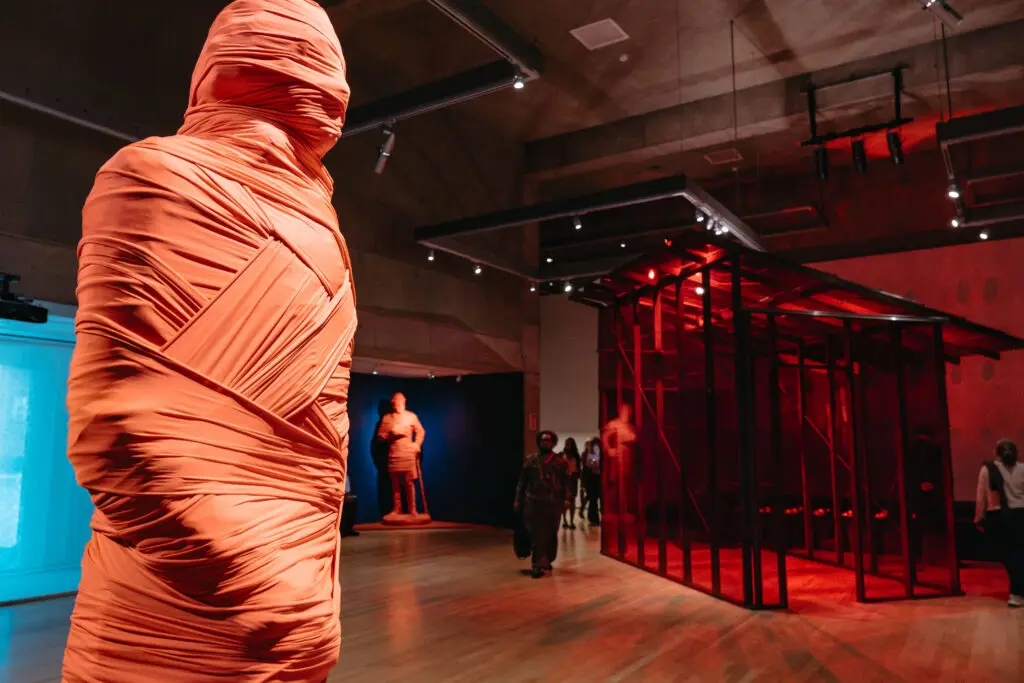
In response to the recent federal actions, museum professionals and historians across the country have spoken in defense of public history. The American Alliance of Museums (AAM) reaffirmed that museums must remain independent, evidence-based institutions that serve the public. Museum leaders and historians have echoed that message, including Stephen Aron and his co-authors in the recent Zócalo Public Square essay, In Defense of Public History, and historian David W. Blight in his New York Times essay, Trump Is Bending History to His Will. He Will Fail. Together, these voices affirm the vital importance of protecting nuance, complexity, and honest scholarship in the telling of our collective story.
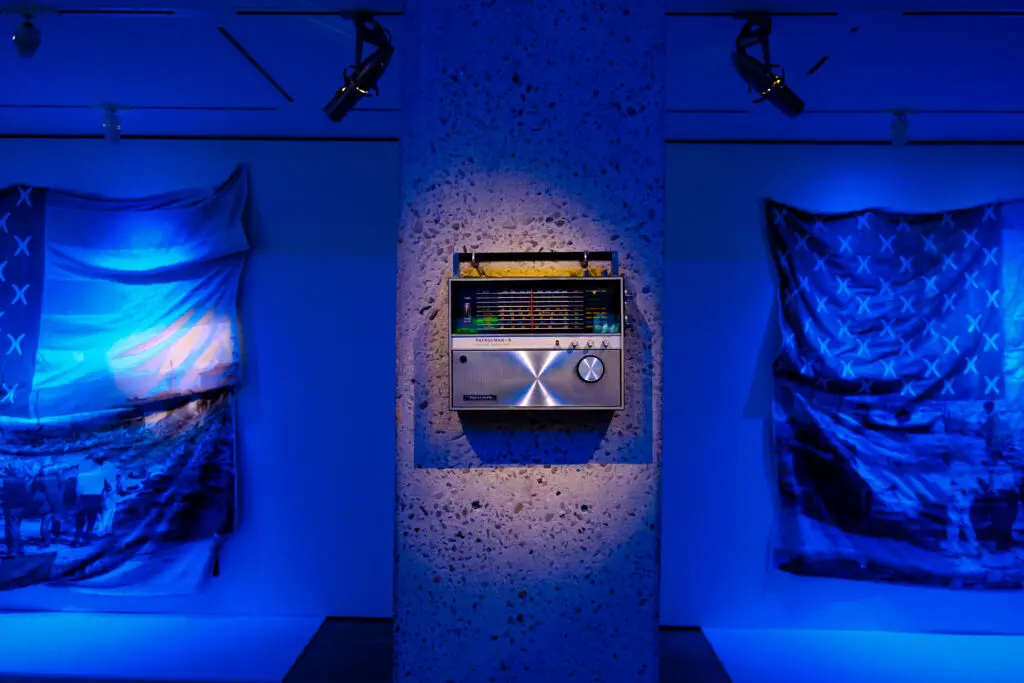
Installation view of Adrian Burrell’s Imperial Boomerang, 2025, Black Spaces: Reclaim & Remain, July 18, 2025–March 1, 2026, Oakland Museum of California. Photo by Kiki King. Courtesy of Oakland Museum of California.
OMCA stands firmly with museums, history organizations, and the American Alliance of Museums in defending these values. At this moment, we remain committed to sharing the richness and complexity of California’s stories through our exhibitions and public programs, as we have for more than 50 years. By bringing forward diverse experiences and perspectives, we create opportunities for understanding, empathy, and connection across our communities.
As debates over our shared history continue, public support for local and national cultural institutions is more important than ever. The attention now focused on museums is a reminder that history matters because it shapes how we see the present and imagine the future. By preserving evidence, embracing complexity, and creating space for many perspectives, museums help ensure that our collective understanding of the past remains open, honest, and grounded in scholarship.